
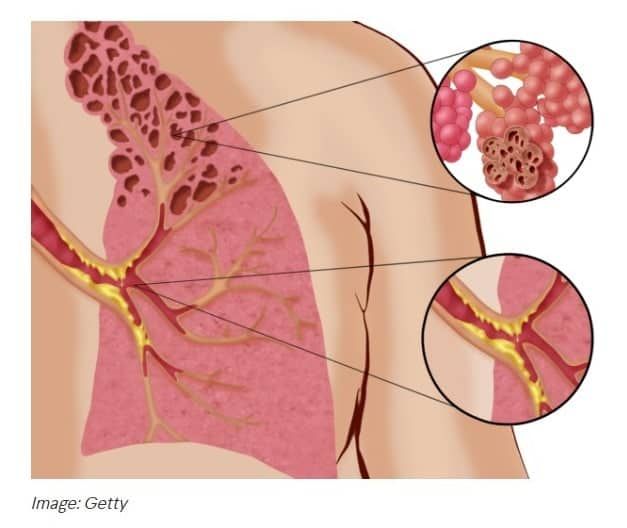
Vaping and heart health remain an active area of research, with studies looking at what regular e-cigarette use may mean for blood vessels and the cardiovascular system.
Vaping is often marketed as a “cleaner” alternative to smoking, but the science is more nuanced. Over the last few years, researchers have been looking closely at what regular e‑cigarette use may mean for the body—particularly the cardiovascular system.
Below is a calm, evidence-informed summary of what a 2022 NIH-funded line of research and broader public health guidance suggest—plus practical, non-judgemental support options if you’re thinking about quitting vaping (or nicotine altogether). If you’re considering this step, you might want to explore our Service: Quit Smoking for additional support.
Important note: This article is educational and not a substitute for medical advice. If you have chest pain, shortness of breath, fainting, or new/worsening symptoms, seek urgent medical care.
Quick takeaways
- Some human studies have observed changes in blood vessel (vascular) function among regular e‑cigarette users, which may be relevant to long-term cardiovascular risk.
- E‑cigarette aerosol can contain nicotine and other substances (including ultrafine particles and chemicals formed during heating). Exposure varies significantly by device, liquid, and usage patterns.
- If you want to stop vaping, combining a clear plan with behavioural support can be helpful. Hypnotherapy and NLP may support quit attempts by targeting habits, cravings, stress, and relapse triggers—without promising guaranteed outcomes. For more insights, check out our Blog: Hypnotherapy: An Evidence-Based Guide to What It Can (and Can’t) Help With.
Why this matters (especially in Australia)
In Australia, health authorities continue to monitor vaping because:
- Nicotine is addictive, and dependence can develop quickly.
- Many people who vape are not using it as a short-term bridge away from cigarettes, but as an ongoing habit.
- The evidence base is evolving, and while vaping may expose people to fewer toxicants than smoking combustible cigarettes, it is not risk-free—particularly for young people and non-smokers.
For up-to-date Australian guidance, see the Australian Department of Health and Aged Care and the Therapeutic Goods Administration (TGA) information on vaping regulation and health advice (links in references).
What the 2022 NIH-funded research looked at (in plain English)
Two key themes emerged from NIH-supported research around this period:
1. Human vascular function findings: Researchers assessed markers linked to how well blood vessels respond (often described as endothelial function). Impaired endothelial function is a recognised risk marker used in cardiovascular research.
2. Biological plausibility: Separate experimental work has explored how vaping aerosol exposure may influence inflammation, oxidative stress, and vascular signalling—mechanisms that could help explain observed vascular changes.
What “blood vessel function” means—and why it matters
Your blood vessels are lined by a thin layer called the endothelium. It helps regulate:
- blood flow and vessel flexibility
- inflammation
- clotting balance
When endothelial function is reduced over time, it can be associated with higher cardiovascular risk in population studies. That doesn’t mean vaping “causes heart disease” in a simple, direct way—but it is one reason researchers take these findings seriously.
Limitations to keep in mind
It’s easy for headlines to overreach. High-quality interpretation requires a few guardrails:
- Association isn’t causation: Some studies observe differences between groups; that doesn’t prove vaping is the only cause.
- Dual use is common: Many people both vape and smoke (or have smoked), complicating comparisons.
- Device and liquid variability: Nicotine strength, coil temperature, flavourants, and usage patterns can change exposure substantially.
What’s actually in e‑cigarette aerosol?
Although many people call it “vapour,” e‑cigarettes typically generate an aerosol—a mixture of tiny particles and gases created by heating e‑liquid.
Depending on the product and how it’s used, vaping aerosol may include:
- Nicotine (in most products), which drives dependence and can affect heart rate and blood pressure
- Ultrafine particles, which can be inhaled deep into the lungs
- Carbonyl compounds (such as formaldehyde and acetaldehyde) that can form when liquids are heated at higher temperatures
- Metals from device components in some circumstances
Exposure is not uniform: puff duration, device power, and coil condition can alter what’s produced.
Vaping vs smoking: what a balanced evidence view looks like
Most major public health reviews acknowledge two realities at once:
- Combustible cigarette smoking is extremely harmful, largely because burning tobacco creates a wide range of toxic chemicals.
- Vaping is generally considered likely less harmful than smoking for people who completely switch from cigarettes—but it is not harmless, and long-term risks are still being studied.
From a lifestyle and wellbeing perspective, the most protective endpoint for health is typically to be free of both cigarettes and vaping, if that’s achievable for you.
If you’re vaping: signs it may be time to rethink it
You don’t need to “hit rock bottom” to make a change. Common indicators nicotine vaping is starting to run your day include:
- needing to vape to feel “normal” or to cope with stress
- irritability, low mood, restlessness, or concentration issues when you can’t vape
- vaping soon after waking or throughout the day without really choosing to
- sleep disruption (nicotine can affect sleep quality)
- feeling stuck in a cycle of cravings → vaping → short relief → craving again
If these sound familiar, a structured quit plan and the right support can make the process more manageable. You can Contact Us to discuss personalized support options.
Evidence-informed ways to quit vaping (and where hypnotherapy/NLP can fit)
Quitting nicotine is often a mix of biology (withdrawal) and learning (habit loops).
Common, evidence-based quit supports
Depending on your needs and medical history, options can include:
- a quit plan with behavioural strategies (triggers, coping tools, relapse planning)
- support from a GP, pharmacist, or Quitline
- nicotine replacement therapy (NRT) and/or other medicines where appropriate (discuss with a qualified health professional)
These approaches aren’t “competitors” to hypnotherapy—they’re often complementary.
How hypnotherapy and NLP may help
Clinical hypnotherapy and NLP-based coaching are commonly used to support lifestyle change by helping you:
- reduce the intensity and frequency of cravings
- change automatic cue → behaviour patterns
- build practical strategies for stress management (a common relapse trigger)
- strengthen motivation and self-efficacy using structured goal and mindset techniques
What we don’t do: promise guaranteed results or claim hypnotherapy “cures” addiction.
What we can do: provide structured, supportive change work that may improve your ability to follow through—especially when paired with a realistic plan and appropriate medical support.
A practical 7-step quit plan for vaping
If you’d like a starting point, here’s a straightforward plan many people find workable. For personalized guidance, consider Booking a Consultation with our experts.
1. Clarify your “why” Health, energy, finances, sleep, sport performance, freedom from dependence.
2. Track your triggers for 3 days Note: time, place, emotion, and what you were doing.
3. Pick a method: quit date or taper Some do better with a clear stop date; others reduce gradually.
4. Design 3 replacement behaviours For example: water + walk, slow breathing, mint/chewing gum, short mobility break.
5. Prepare for cravings (they peak and pass) Use “urge surfing”: notice the urge, breathe, delay 5–10 minutes, do a task.
6. Build accountability Tell one supportive person, or book structured support.
7. Plan for slips (without shame) A slip is data. Review what triggered it, adjust the plan, continue.
FAQs
Is vaping bad for your heart?
Research is still developing, but some human studies have identified changes in vascular/endothelial function in regular e‑cigarette users. Because vascular function is linked to cardiovascular health, these findings are taken seriously—while also recognising limitations (such as dual use and variability in products).
Is vaping safer than smoking?
Many public health reviews conclude vaping is likely less harmful than smoking for people who fully switch, because it avoids tobacco combustion. However, “less harmful” does not mean “safe,” and nicotine dependence remains a key concern.
What’s in e‑cigarette aerosol?
Often nicotine plus a range of other aerosolised chemicals and particles. What you inhale can vary by device settings, coil temperature, liquid ingredients, and usage.
How long does nicotine withdrawal last?
Withdrawal commonly peaks in the first several days, then eases over the following weeks. Psychological triggers and habits can last longer, which is why behavioural strategies matter.
Can hypnotherapy help me stop vaping or smoking?
Hypnotherapy is used as a behavioural support approach for changing habits and managing cravings and triggers. Evidence varies by study design and population, and outcomes aren’t guaranteed—but many people choose it as part of a structured quit plan. For more information, read our Blog: 7 studies that found hypnotherapy to be more effective in losing weight.
Do you offer online sessions across Australia?
Yes. Make Changes provides support in Melbourne (Sunshine VIC) and also offers online sessions Australia-wide.
Support to quit vaping or smoking (Melbourne + online)
If you’re ready to explore change in a calm, practical way, Make Changes NLP & Hypnotherapy offers support for:
- quit smoking / nicotine change (including vaping)
- stress management and emotional regulation
- better sleep habits
- confidence and behaviour change strategies
Location: Sunshine Primary Health, 111 Durham Rd, Sunshine VIC 3020 Phone: 1800 760 249 Email: info@makechanges.com.au
If you’d like, you can reach out to discuss what you’re finding difficult (cravings, stress, routine triggers) and what support approach might suit you.
References
- World Health Organization (WHO). Tobacco and e-cigarettes: public health information and guidance. https://www.who.int/
- Australian Government Department of Health and Aged Care. Vaping and e-cigarettes information (policy/health advice). https://www.health.gov.au/
- Therapeutic Goods Administration (TGA). E-cigarettes/vapes: regulation and consumer information. https://www.tga.gov.au/
- National Academies of Sciences, Engineering, and Medicine. Public Health Consequences of E-Cigarettes. (Comprehensive evidence review). https://nap.nationalacademies.org/
- National Institutes of Health (NIH) / National Heart, Lung, and Blood Institute (NHLBI). Research updates and funding announcements related to e-cigarettes and cardiovascular effects (context for NIH-funded work). https://www.nhlbi.nih.gov/
Note: If you’d like, we can add the exact citations for the specific 2022 NIH-funded papers referenced in the original draft once you confirm which two studies you intended to cite (title/authors or links). That will ensure precision and avoid mismatching papers.