
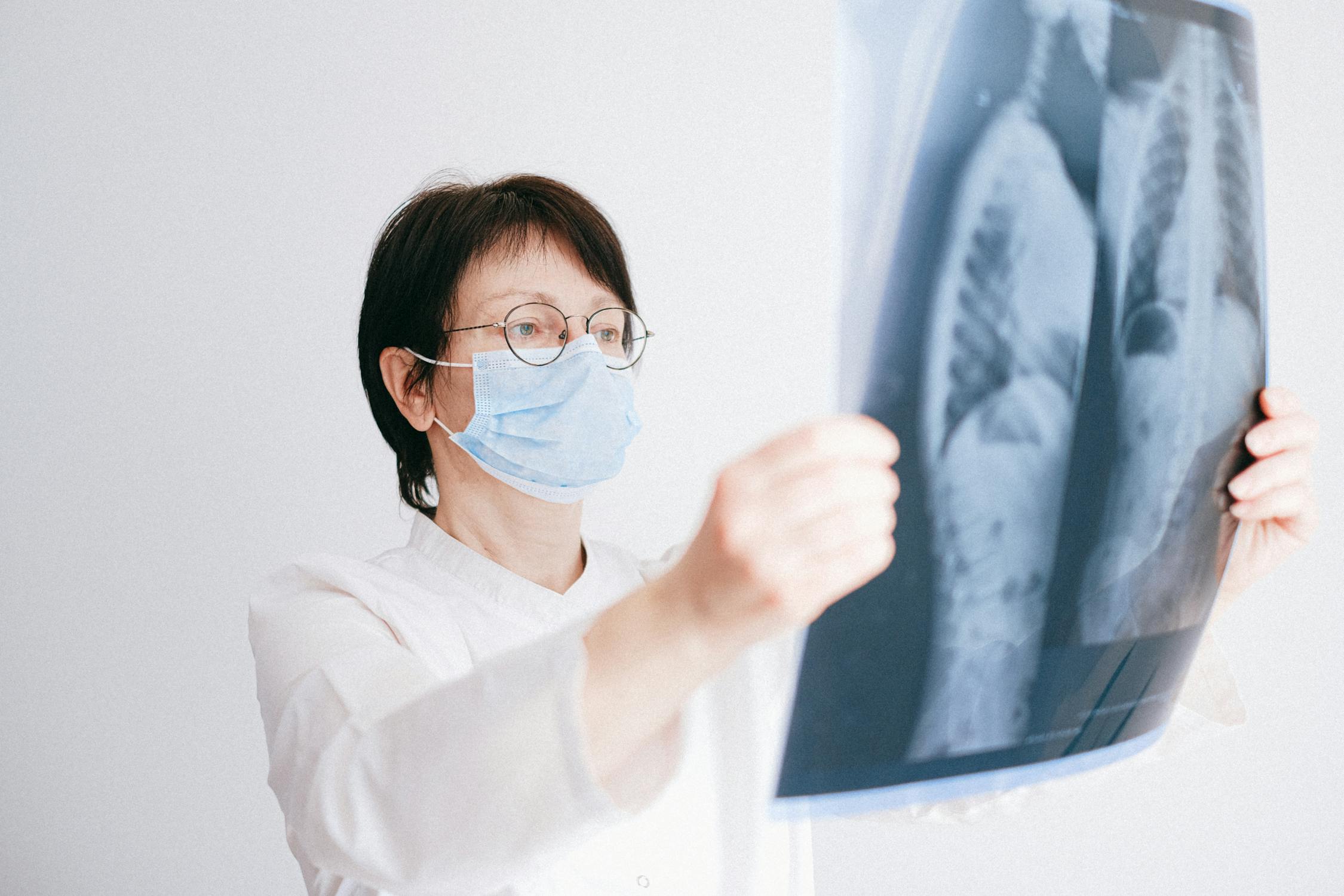
A quick look at smoker’s lungs versus healthy lungs helps explain what changes after quitting and how healing begins over time.
We often hear about the damage smoking does, but actually seeing it is a completely different experience. A widely circulated medical demonstration (using pig lungs, which closely resemble human lungs) visually proves just how drastic the difference is.
The Visual Proof: Black Lung vs. Pink Lung
In the demonstration below, the contrast is undeniable. It is not just about color; it is about function. Take 60 seconds to watch the short video:
▶️ Watch: Pig Lungs Demonstration (YouTube)
Here are the three critical takeaways from the experiment:
- The Color: The healthy lung is a vibrant pink. The smoker’s lung is a mottled charcoal black, heavily stained by years of tar accumulation and scarring.
- The Inflation: Watch how the healthy lung inflates rapidly and evenly. The smoker’s lung resists the air, requiring more pressure to fill, and inflates unevenly due to blockages.
- The Recoil (Critical): This is the most shocking part. When the air is released, the healthy lung snaps back instantly—like a fresh rubber band. The smoker’s lung stays flabby and partially inflated. This visualizes Emphysema: the loss of elasticity that traps “stale air” inside, making every breath a struggle.
Is It Too Late? The “Point of No Return” Myth
Seeing damage like this can be terrifying. Many smokers think, “My lungs are already black, so the damage is done. Why quit now?”
Here is the truth: While structural damage to the air sacs (Emphysema) is permanent, quitting is the ONLY way to stop the destruction from spreading. More importantly, other parts of your lungs begin to heal almost immediately.
The “Cilia” Comeback
Your lungs have a microscopic cleaning crew called cilia—tiny hair-like structures that sweep out mucus and dirt. Smoking paralyzes and eventually kills them.
The good news? They grow back. Between 1 to 9 months after quitting, your cilia regenerate. You might actually cough *more* during this time, but this is a sign of healing: your lungs are finally strong enough to clean out the tar and debris.
Your Recovery Timeline (2026 Data)
- 20 Minutes: Pulse rate drops to normal.
- 12 Hours: Oxygen levels in your blood return to normal as Carbon Monoxide leaves the system.
- 3 Months: Lung function can improve by up to 30%, making walking and running significantly easier.
- 1 Year: Your risk of coronary heart disease is cut in half.
Your lungs are incredibly resilient organs, but they need you to stop the assault so they can start the repair work.
Ready to breathe freely again? Book a hypnotherapy session with Make Changes today and take the struggle out of quitting.