
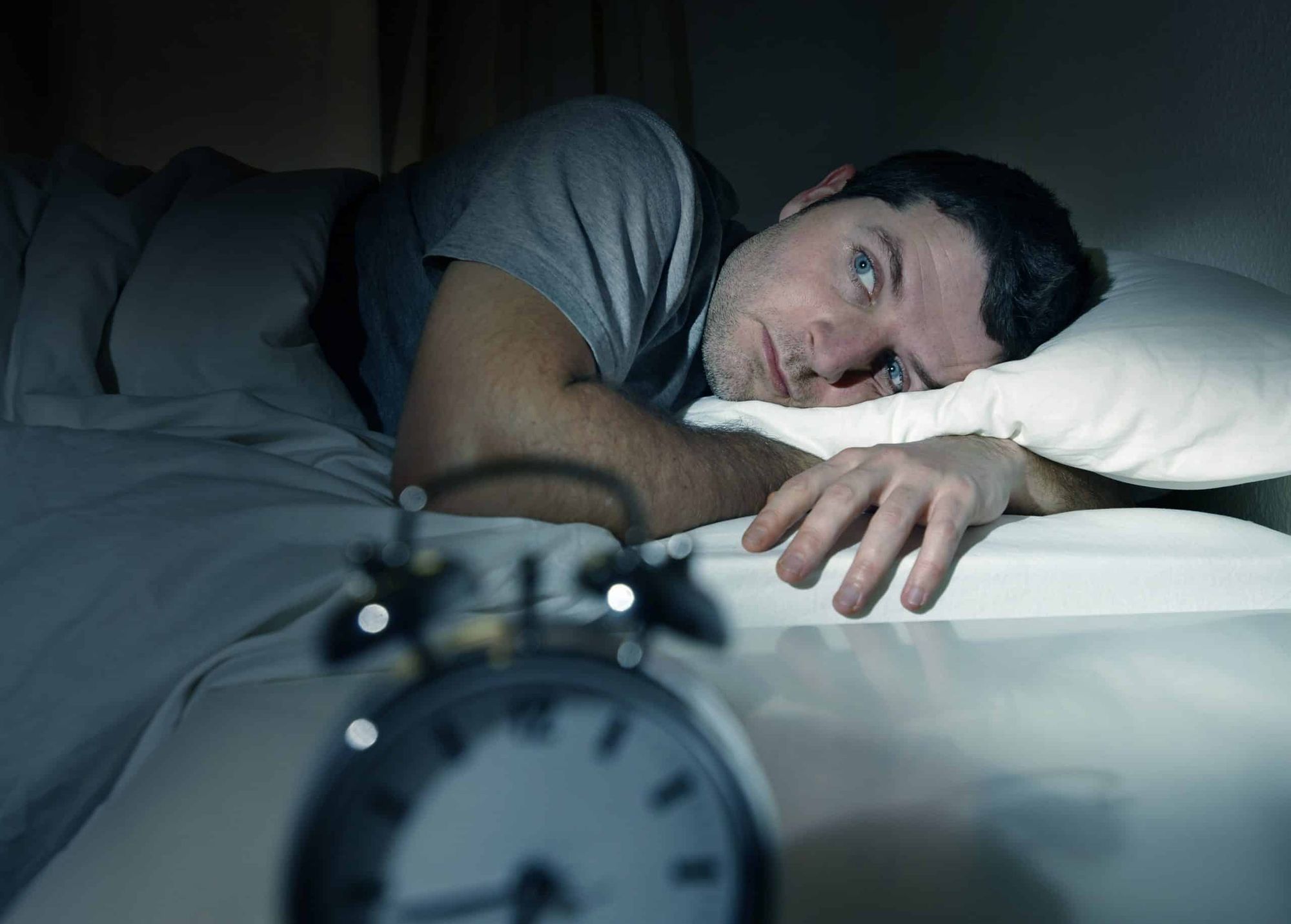
If you are dealing with insomnia, this evidence-informed guide explains what it is, when to seek help, and how hypnotherapy may support better sleep.
Living with sleep problems can feel like a nightly tug-of-war: you’re exhausted, but your mind or body won’t settle. For some people it’s difficulty falling asleep; for others it’s waking during the night or waking too early and not being able to drift back. If you’re interested in exploring alternative solutions, check out our blog on how hypnotherapy can help with better sleep.
This article is designed to be educational and evidence-informed. It’s not a substitute for medical advice. If your sleep problems are persistent, worsening, or affecting your safety (for example, drowsy driving), it’s worth speaking with your GP for assessment and to rule out underlying contributors.
What is insomnia?
Insomnia generally refers to ongoing difficulty with sleep despite having the opportunity to sleep, alongside daytime impacts (such as fatigue, low mood, reduced concentration, or irritability).
It’s often described as:
- Sleep onset insomnia: difficulty getting to sleep
- Sleep maintenance insomnia: waking during the night and struggling to return to sleep
- Early morning waking: waking earlier than desired
Many people experience short-term insomnia during stressful periods. When insomnia becomes persistent, it can be maintained by a cycle sometimes described as hyperarousal—where worry about sleep, increased alertness, and unhelpful sleep habits (like clock-watching or spending long periods awake in bed) make sleep even harder.
Common contributors to sleep problems (and why it’s not “just in your head”)
Insomnia rarely has a single cause. It’s often influenced by a mix of lifestyle factors, stress responses, health issues and routines.
Possible contributors include:
- Stress and anxiety, or a busy “planning” mind at night
- Irregular schedules (including shift work)
- Caffeine, nicotine, or alcohol (especially later in the day/evening)
- Screens and bright light at night
- Pain, reflux, respiratory issues, or hormonal changes
- Certain medications (your GP or pharmacist can advise)
- Sleep apnoea or other sleep disorders
When to seek extra support
Consider speaking with your GP promptly if you:
- Snore loudly, gasp/choke in sleep, or have significant daytime sleepiness (possible sleep apnoea)
- Have insomnia alongside persistent low mood, panic symptoms, or trauma symptoms
- Rely on alcohol to fall asleep
- Are using sleep medication regularly and want to review safer longer-term options
Can hypnosis help with sleep?
Hypnosis (or clinical hypnotherapy) is a focused state of attention paired with increased responsiveness to helpful suggestions—commonly used for relaxation, habit change, and symptom management. For more information on other hypnotherapy services we offer, visit our Other Hypnotherapy Services page.
What the research suggests
Research into hypnosis for sleep is still developing, but findings are promising in some areas:
- Some studies suggest hypnosis may improve subjective sleep quality (how well people feel they slept) for certain individuals.
- There is also research indicating hypnosis may help increase slow-wave sleep (deep sleep) in some participants, particularly when they are responsive to hypnotic suggestions.
That said, outcomes vary between individuals, and the evidence base is not identical to first-line insomnia treatments such as Cognitive Behavioural Therapy for Insomnia (CBT‑I). A practical, evidence-aligned way to view hypnotherapy is as a supportive option that may help reduce arousal, improve sleep-related confidence, and reinforce healthier sleep routines—either on its own for suitable cases or alongside other care. For more insights, explore our evidence-based guide to better sleep habits.
Where NLP may fit for insomnia
Neuro-Linguistic Programming (NLP) is often used as a skills-based approach to help people shift unhelpful thought patterns, emotional responses and behaviours.
For sleep, NLP-style strategies may be used to support:
- Reducing repetitive “what if” thinking at bedtime
- Building a consistent wind-down routine
- Changing conditioned responses (e.g., bed = frustration/alertness)
- Strengthening motivation and follow-through with sleep habits
It’s important to be transparent: NLP has a more variable research base across different applications compared with CBT‑I. In practice, it may still be useful when applied in a structured, goal-focused way—particularly as part of a broader sleep plan.
What a sleep-focused hypnotherapy approach may include
A responsible hypnotherapy plan for insomnia typically starts with understanding your pattern of sleep difficulty and what’s maintaining it.
Depending on your needs, sessions may include:
1. Sleep assessment and goal-setting – Sleep history, routines, triggers, stress levels, and health factors – Clear goals (e.g., falling asleep faster, fewer wake-ups, feeling more rested)
2. Psychoeducation (how sleep works) – Normal sleep cycles, why wake-ups happen, and how pressure to sleep can backfire
3. Guided hypnosis for down-regulating arousal – Relaxation training, imagery, and suggestions tailored to your sleep goals
4. Practical behaviour support – Consistency strategies, wind-down routines, and evidence-aligned sleep habits
5. Home practice – A structured plan may include listening to a hypnosis/relaxation audio, breathwork, or brief cognitive exercises at set times (not only when you feel desperate at 2am)
If insomnia is linked with significant anxiety, PTSD symptoms, or other mental health conditions, a coordinated approach (for example, involving your GP and/or a psychologist) may be recommended. Hypnotherapy can still be used as a supportive tool for relaxation, sleep confidence, and stress regulation. Learn more about how hypnotherapy can help treat PTSD and reduce stress.
Practical sleep strategies you can start tonight
These tips are consistent with common sleep health guidance and CBT‑I principles (adapted for general education).
- Keep a consistent wake-up time (even after a rough night). This helps stabilise your body clock.
- Create a wind-down buffer (30–60 minutes). Aim for dimmer lights, quieter activities, and fewer stimulating tasks.
- Reduce clock-watching. If checking the time increases stress, turn the clock away.
- Caffeine timing: Consider limiting caffeine after late morning/early afternoon (individual sensitivity varies).
- Alcohol: It may make you drowsy initially, but can fragment sleep later in the night.
- Light exposure: Get morning daylight when possible; keep evenings darker and calmer.
- If you’re awake for a while: Many sleep programs recommend getting out of bed briefly and doing a quiet activity until you feel sleepy again—so the bed stays associated with sleep rather than struggle.
If you’d like, we can help you translate these into a realistic plan that fits your lifestyle and stress load.
FAQs
Is hypnosis safe for sleep?
For most people, hypnosis is considered low risk when provided by a trained professional. It’s not a form of unconsciousness—you can typically hear and choose to follow suggestions. If you have complex mental health concerns (e.g., dissociation, severe PTSD symptoms), it’s best to discuss suitability with your healthcare team.
Will I lose control during hypnosis?
No. Clinical hypnosis is generally described as a state of focused attention and relaxation. People can usually stop at any time and are aware of what’s being said.
How many sessions might I need?
This depends on the nature of your insomnia, stress levels, and contributing factors. Some people benefit from a small number of structured sessions plus home practice, while others prefer a longer program—particularly when sleep issues are tied to chronic stress patterns.
Can hypnotherapy replace sleeping tablets?
Hypnotherapy may support sleep, but it isn’t a direct substitute for medical advice. If you’re using sleep medication, it’s safest to discuss any changes with your GP. Many people explore non-pharmacological approaches to improve sleep skills and reduce reliance over time, where appropriate.
Does online hypnotherapy work?
Online sessions can be effective for many clients, especially when sessions are structured and you have a quiet, private space. It can also make ongoing practice easier to maintain.
What if my insomnia is linked with stress, anxiety, or PTSD?
Insomnia commonly overlaps with stress and anxiety. A combined approach may be most helpful—addressing nervous system regulation, sleep routines, and the underlying drivers. Hypnotherapy and NLP can be used as supportive tools, and we may also encourage coordination with your GP or mental health professional.